
Do Real Science in a Cloud Forest
Leave with a research report for your portfolio, professional field skills, and 11+ weeks of conservation fieldwork in one of the most biodiverse habitats on Earth.
What You’ll Actually Do
You will design your own research methodology, collect primary field data across three distinct habitat types, and produce a completed research report that enters the Cloudbridge archive.
Each intern selects one research project and works roughly 30 hours per week: mornings in the field collecting data, afternoons maintaining detailed field notes and entering records. You also get hands-on exposure to all three of Cloudbridge’s long-term monitoring studies (birds, amphibians, and mammals), regardless of which project you choose.
By the end of your stay you will have written a research proposal, given two presentations to staff and fellow researchers, and submitted a completed report with raw data. These are portfolio pieces that demonstrate real research capability to future employers and graduate programmes.

Choose Your Project
Select from established long-term monitoring studies or propose your own topic. All projects are guided by the Scientific Coordinator and span all three habitat types.

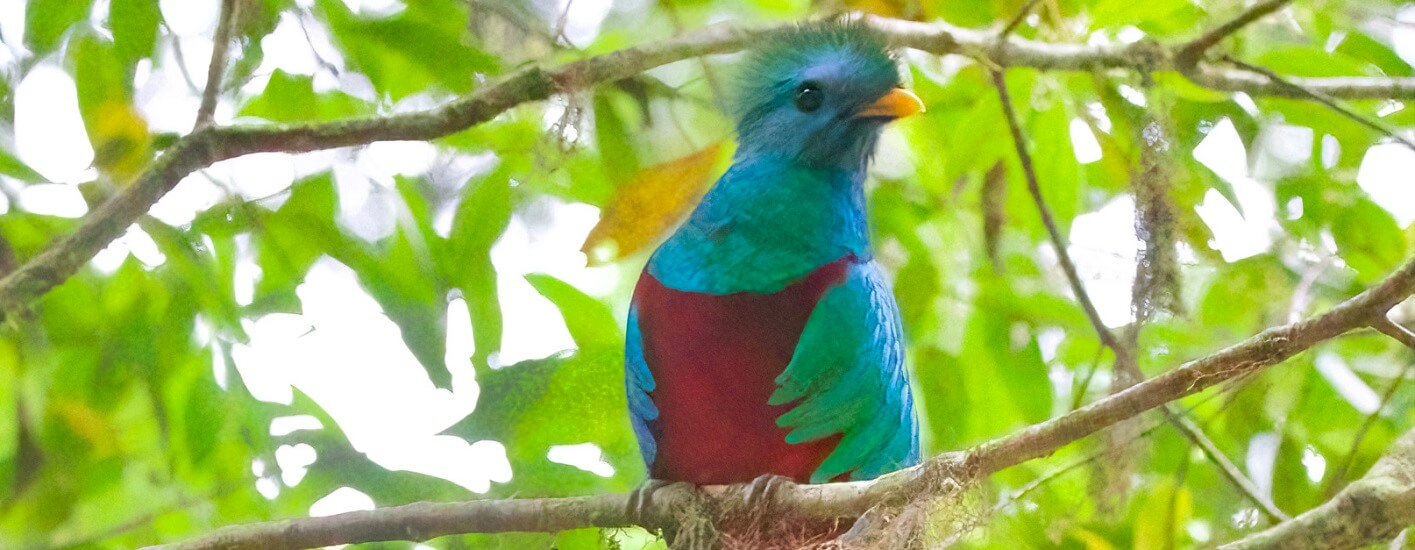
Bird Surveys
Conduct point counts and walking transects at dawn, recording species seen and heard. You will build identification skills across 200+ bird species while generating comparative data between old-growth and regenerating forest.

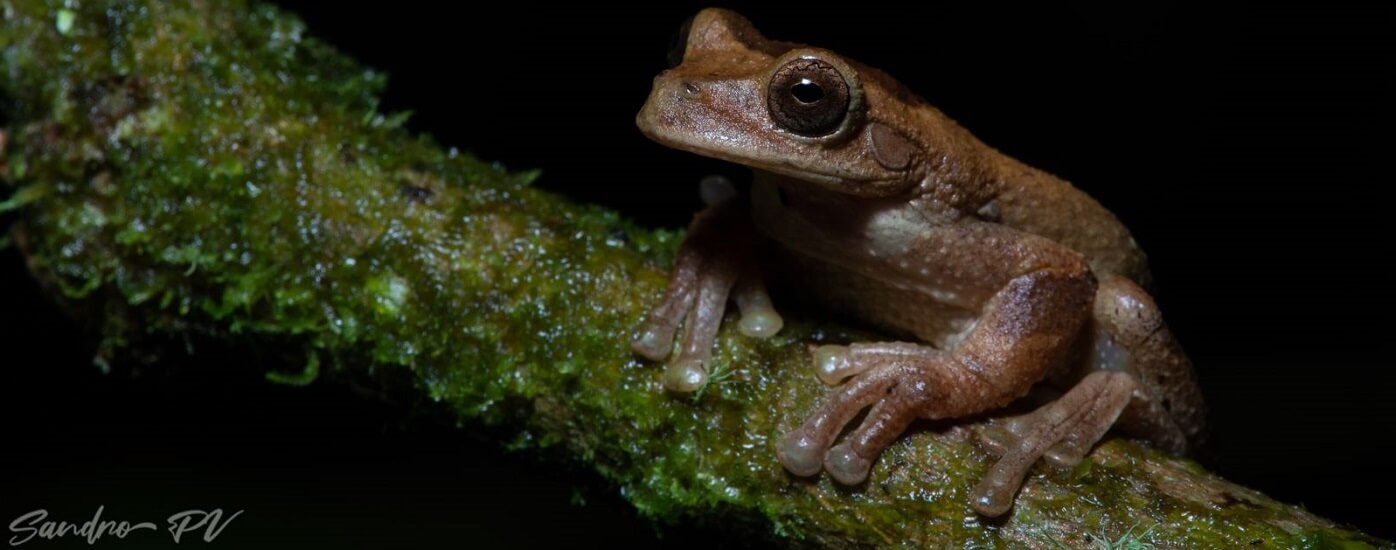
Amphibian Research
Head out after dark for visual encounter surveys along streams and forest trails. Identify species in situ using photo documentation, contributing to one of Central America’s most detailed amphibian monitoring datasets.

Mammal Camera Trapping
Deploy and maintain camera traps across the reserve’s trail network. Review captures to document mammal activity, including all six of Costa Rica’s wild cat species. Learn trap placement strategy and image analysis.

Custom Project
Propose your own study: habitat assessments, entomology, forest recovery monitoring, social studies on community perceptions of reforestation, or something we have not thought of yet. Discuss your idea with the Scientific Coordinator before applying.
“My time at Cloudbridge will be something I treasure forever. I learned so much and it was a brilliant way to experience the wildlife of Costa Rica as well as integrate into the local community. Thank you to all the staff for making my experience so enjoyable.”
Cloudbridge Volunteer, 2023
Three Habitats, One Reserve
Your research spans all three, giving you a rare comparative dataset that most field stations cannot offer.
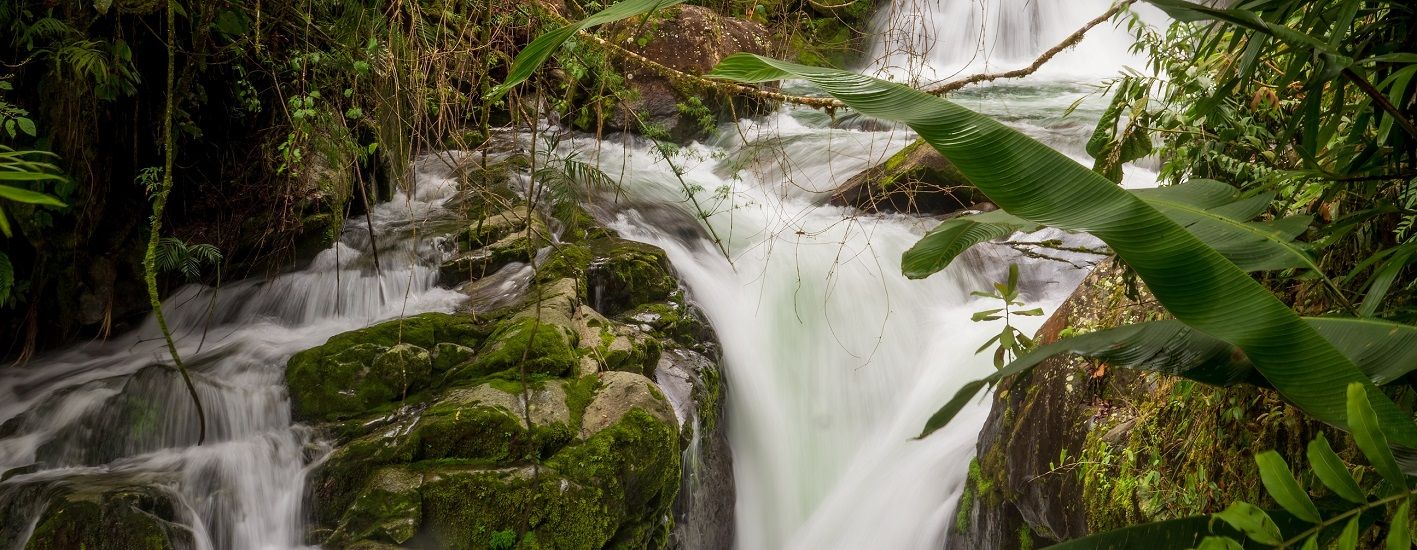
Old-Growth Forest
Mature montane cloud forest serving as the ecological baseline for all comparative studies
Natural Regeneration
Former cattle pasture recovering without human intervention, a living study in natural succession
Active Reforestation
Areas planted with native tree and shrub species, compared against natural recovery
Only 16 spots on site at a time. Secure yours before planning your trip.
Life at the Reserve
Cloudbridge sits at 1,550 to 2,600 metres in the Talamanca mountains, near Costa Rica’s highest peak. Cool mountain air, afternoon rain, and a close international community.
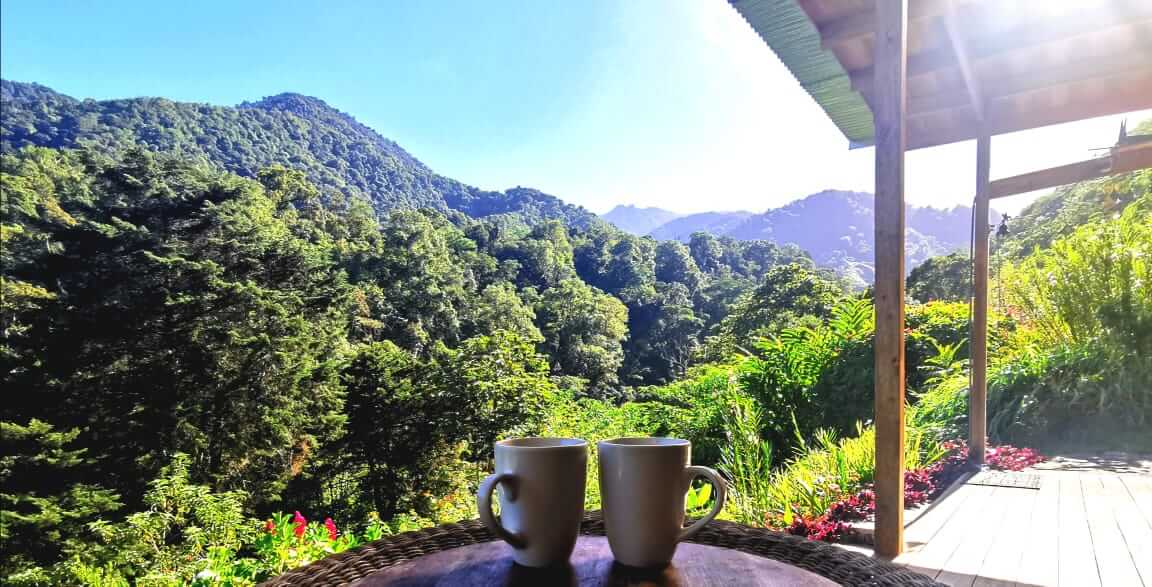
Shared Accommodation
Dormitory rooms with 1 to 3 roommates. Bedding, towels, hot showers, Wi-Fi, and a fully equipped shared kitchen included.
Self-Catered Meals
Buy groceries at the local village, weekly farmers’ market, or in San Isidro. Budget roughly $10/day for food.
International Community
8 to 16 researchers and volunteers from 26+ countries on site at any time. Weekly Thursday potluck dinner and book exchange.
Weekends Free
Hike Chirripo (Costa Rica’s tallest peak), visit thermal springs, explore Pacific beaches, or relax at the reserve.
Cost Breakdown
One of the most affordable field research programmes in the tropics. No tuition fees or programme charges beyond accommodation.
| Stay Length | Daily Rate |
|---|---|
| Under 4 weeks | $30 USD/day |
| 4 to 12 weeks | $28 USD/day |
| 12 weeks and over | $22 USD/day |
Estimated total for 11 weeks: ~$2,926 USD (accommodation + food). Staying 12 weeks drops the rate, bringing the total to roughly $2,618 for an extra week of research time.
Included: Wi-Fi, hot showers, shared bathrooms, shared kitchen, unlimited reserve access (research trails, public trails, off-trail).
Not included: Food (~$10/day), flights, personal expenses. A $200 good-faith fee is required on acceptance and credited to your final two weeks.
Your Research Deliverables
Leave with a completed research report and professional presentation experience for your CV.
Submit Your Research Proposal
Define your study question, methodology, and data plan with the Scientific Coordinator.
Progress Presentation
Present preliminary findings to staff and fellow researchers for feedback and course correction.
Final Presentation + Report
Deliver your completed report and upload all raw data to the Cloudbridge archive.
Who Thrives Here
The interns who get the most out of this programme tend to share a few things in common.
Background
You have academic or practical experience in ecology, biology, conservation, zoology, or a related field. You do not need a specific degree, but you should be comfortable with field research concepts and data collection. Most interns are 20 to 30 years old, though we welcome anyone 20+ (with exceptions for exceptional candidates at 18+).
What you will need
- Minimum 11-week commitment
- Physical ability to hike steep mountain terrain daily, in rain and sun
- Self-motivation and strong record-keeping habits
- Comfort living in a small, close-knit international community
- Ability to fund your own food and accommodation
- Responsibility for visa renewal if staying 180+ days
Common Questions
Start Your Application
Spots are limited by dormitory capacity (16 people on site at a time). Apply early to secure your preferred dates.
Questions? Email research@cloudbridge.org or WhatsApp (506) 8856 5519